
social justice advocate ~ creative ~ community builder ~
social justice advocate ~ creative ~ community builder ~
Big Ideas, Real Impact.
As Co-Founder and Project Lead of The Mifepristone Project, Alaa has functioned as the operational, creative, and strategic backbone of the organization.
The Mifepristone Project: a Washington State initiative advancing equitable off-label mifepristone access for menstrual health conditions.
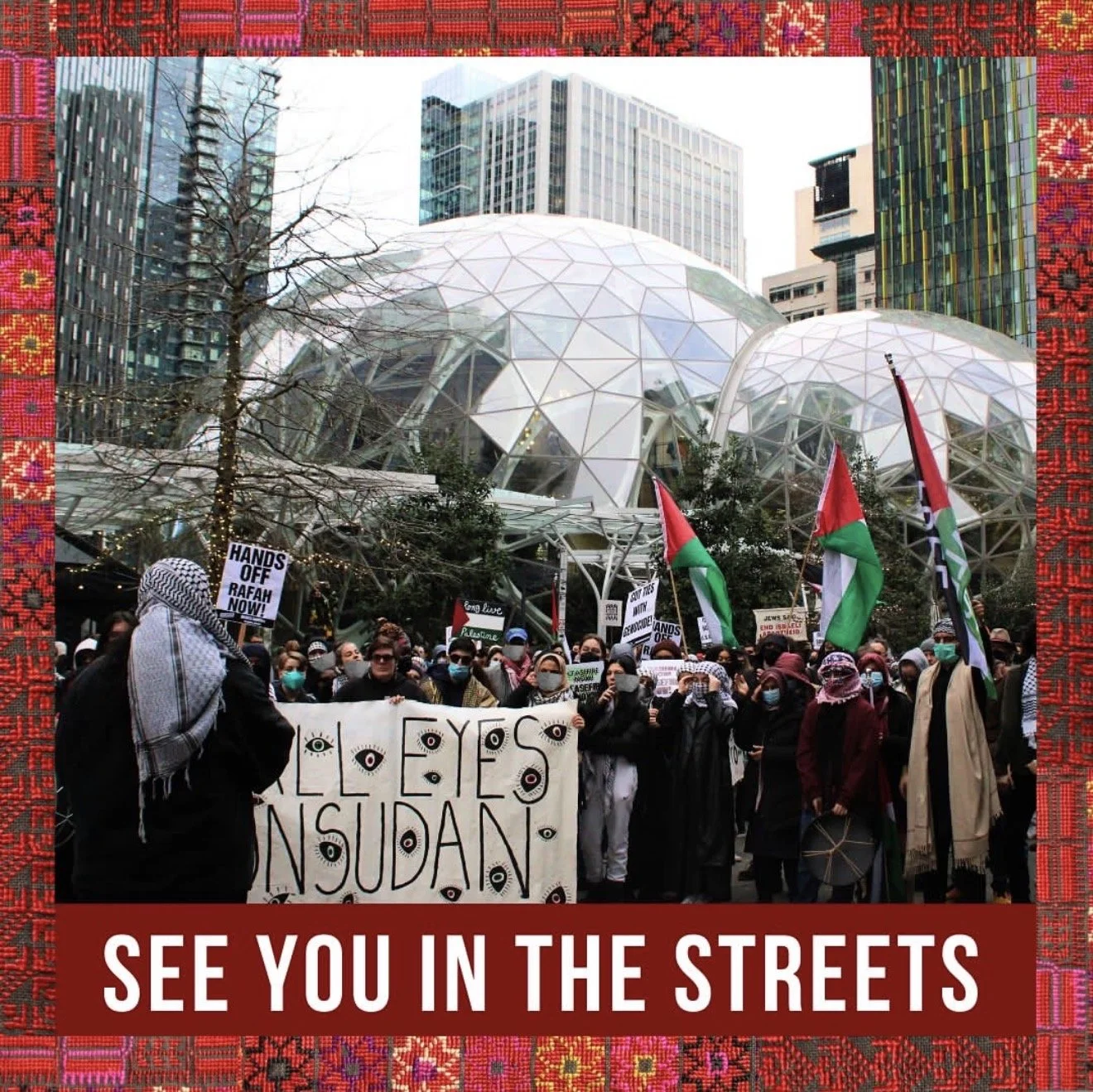
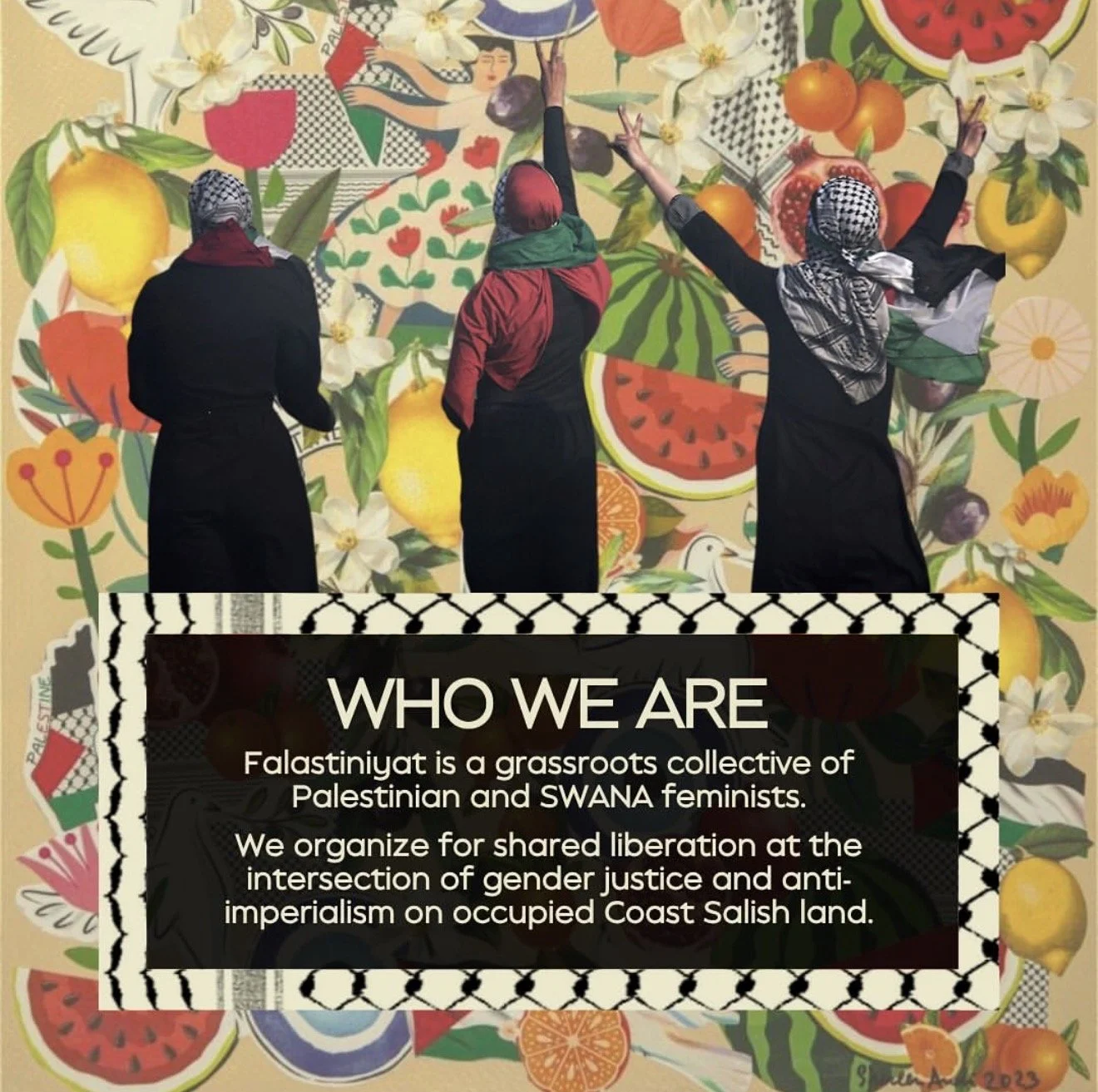
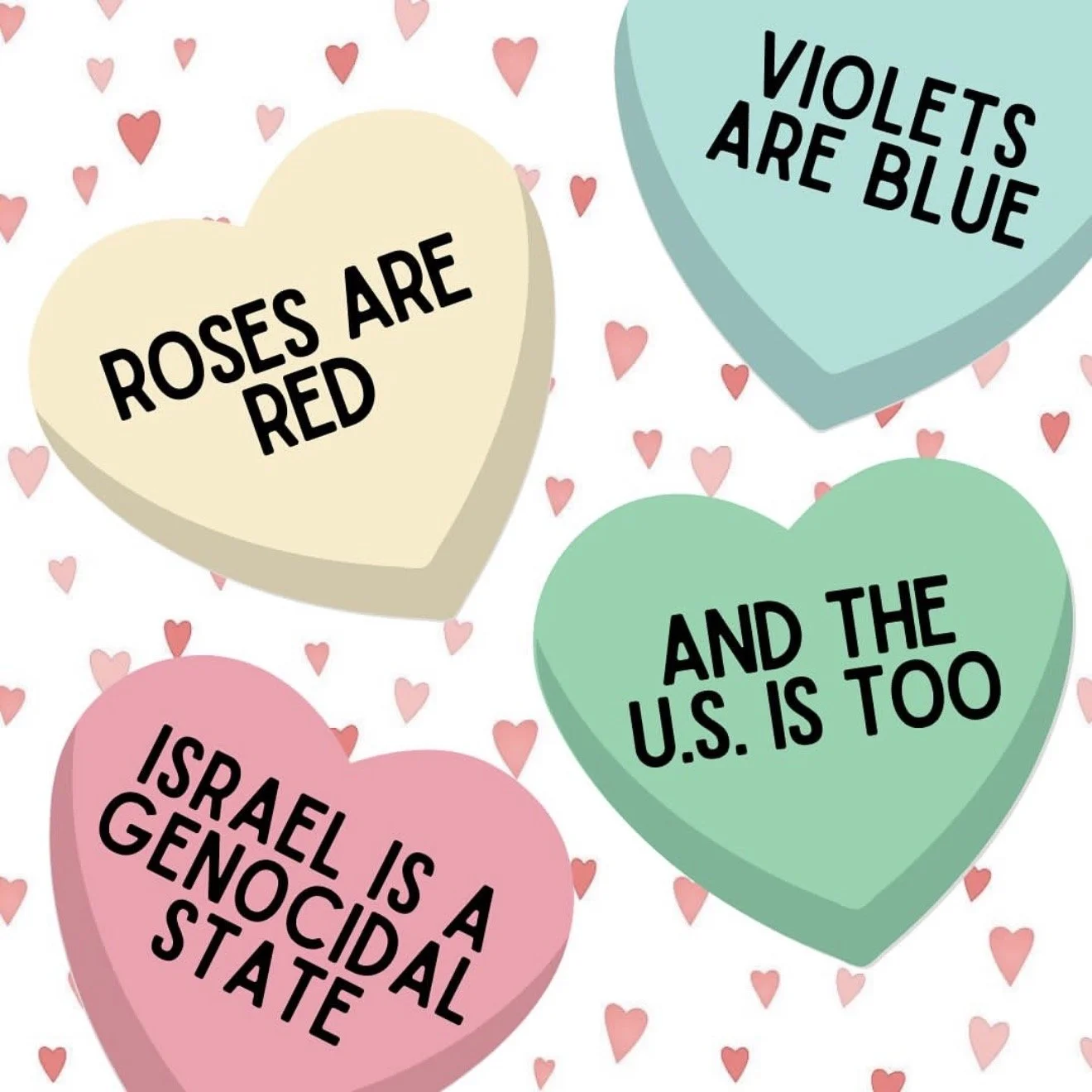
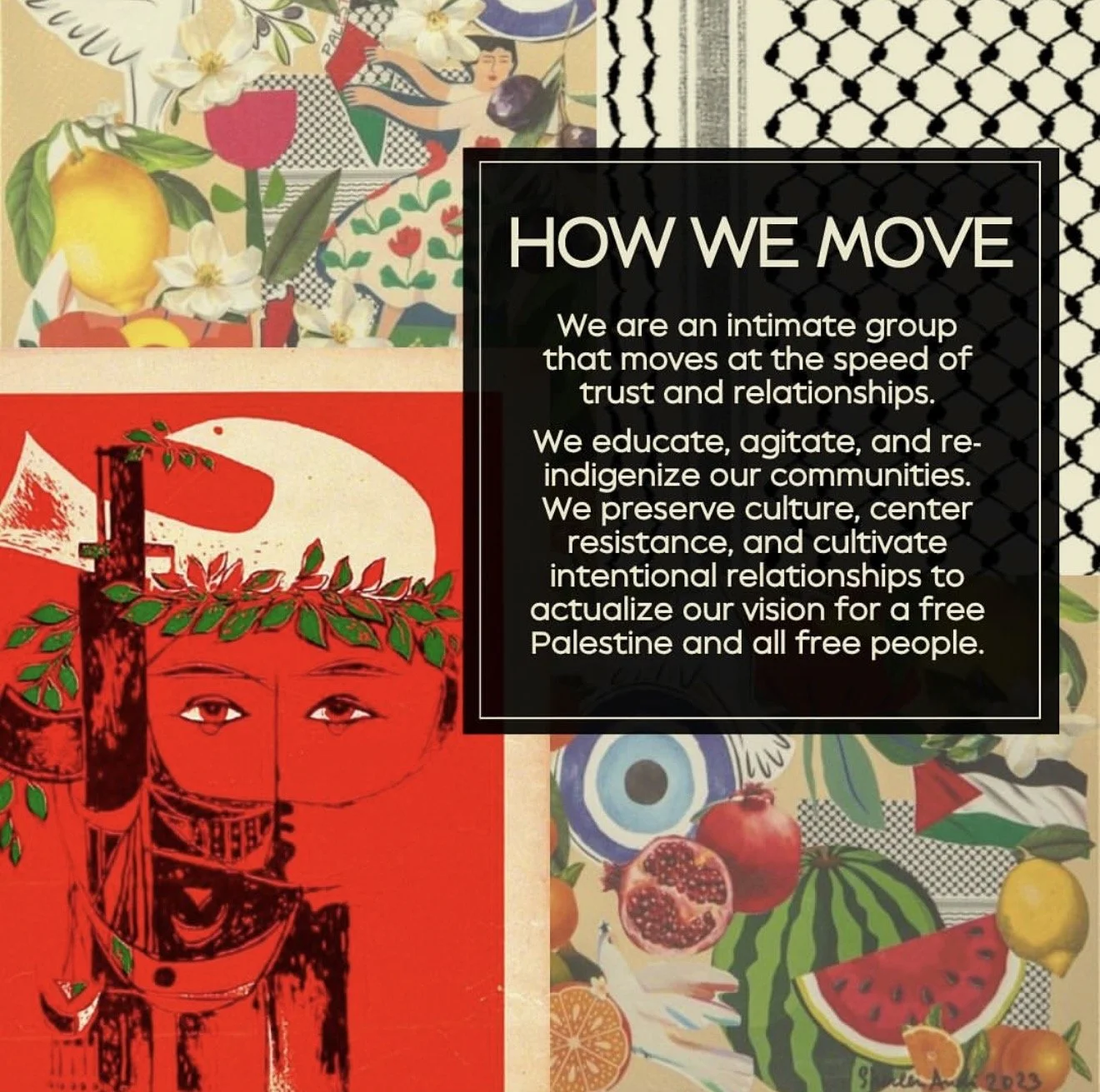
Social Media Designs
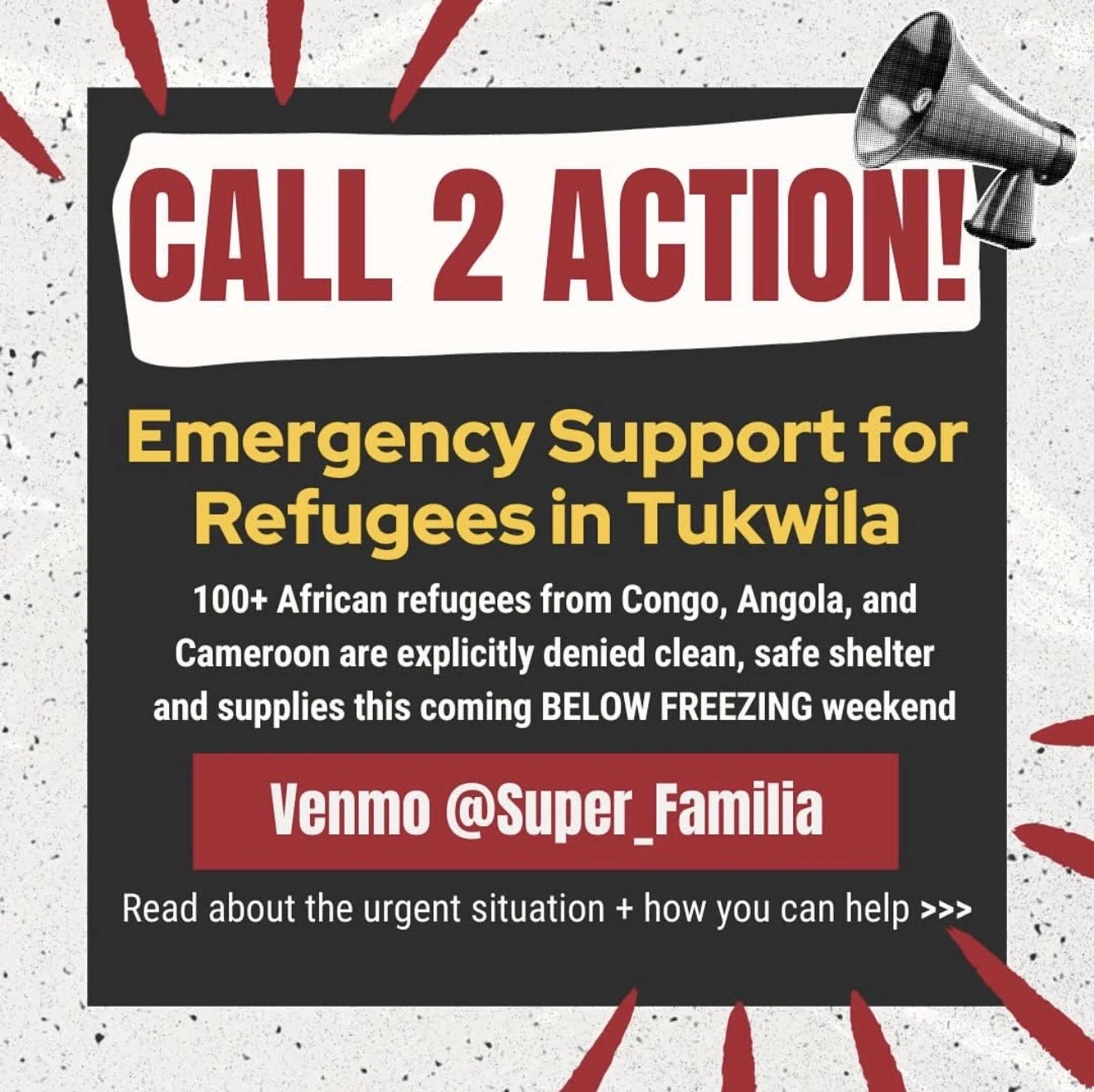
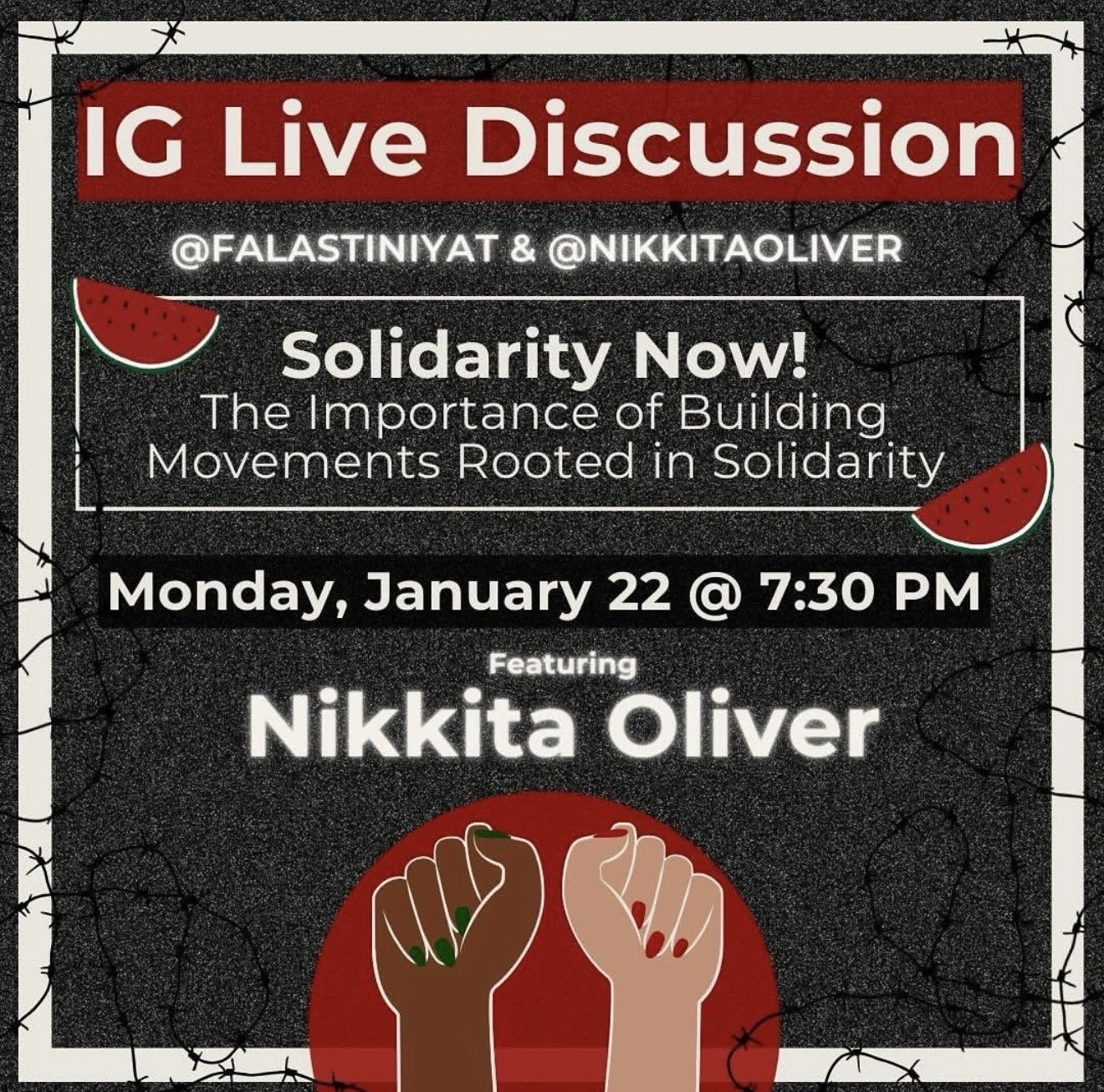
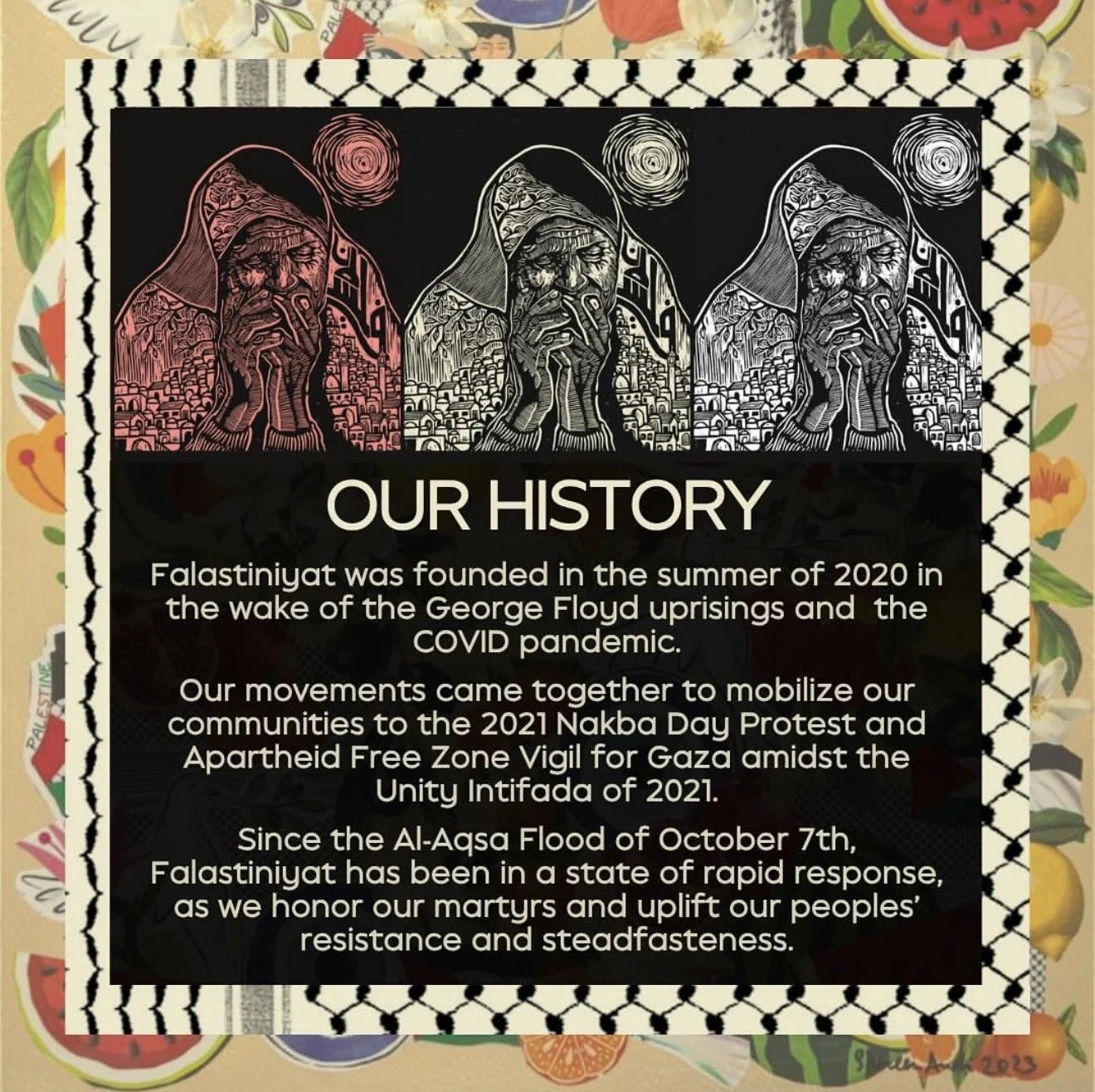
Sample Writings
On Dabke
Derived from the Arabic word “dabaka,” meaning to stamp one’s feet, Dabke is a folk dance originating in the Levantine region made up of Palestine, Syria, Lebanon, and Jordan. Its origins date as far back as the ancient Phoenician period, but modern Dabke is said to come from the communal practice of stamping on old rooftops made of clay to solidify and prevent them from cracking. Villagers would join hands to keep each other safe as they methodically stomped their feet across the rooftop, working together to build and maintain the homes in their community.
Fawwaz Traboulsi, a Lebanese historian, refers to Dabke as a symbol of the “peasant body in action,” likening its movements to “gestures of agricultural work…the left foot generally placed in front as if working, the encouraging exclamation which one utters when exerting a strong physical effort.” In Arabic, such a person would be called a fallah, meaning farmer. If you couldn’t help but cringe at the use of the word peasant, fear not, as you would be correct to associate peasantry with someone who is “lowly, backward, uneducated, and excluded from official cultural discourse,” as this was also the perception among some Palestinians prior to 1948. After 1948, however, the peasant was elevated “to a symbol of national unity and shared Palestinian identity.” In a context of Zionist-perpetuated land appropriations, expulsions, and destruction of Palestinian agricultural life, “the peasant gained tremendous symbolic value as a person loyal to their land and stubbornly defending its possession.”
As anthropology professor Swedenburg so accurately puts it, “through identification with the peasant, a scattered population acquired a sense of itself as a community with roots in a specific place…Everyone who consumes national dishes, eats za’atar for breakfast, dances the Dabke, and savors the subtle flavors of olive oil, is endowed with the peasant’s symbolic power and comes to regard themself as part of the people.”
This, my friends, is the story of how Dabke was elevated to a national symbol of Palestinian identity, inextricably linked with Palestinian culture. Initially from humble origins, uniting simple peasants in villages as they built their community, then, post 1948, its transcendence to a symbol of Palestinian resistance against the Zionist Regime. In the words of journalist Rosemary Sayigh, Dabke embodies the “notion of the entire Palestinian people as a fighting mass ready to head the call of the nation.”
Dabke is commonly used as a joyous and celebratory expression of Palestinian culture at weddings and other festive gatherings, but its use as an act of resistance and unity against the settler-colonial state of Israel has been documented both within occupied Palestine and throughout the greater Palestinian diaspora. When practicing Dabke, I like to imagine that my hands are linked with those of my ancestors, as we stamp our feet in rhythmic unison, reenacting the care they put into the very homes from which they have been displaced, solidifying our deep-rooted connection to the land, and asserting our right to exist in peace and liberation.
On MLK
Cherry picking a quote by Dr. Martin Luther King Jr. by some individuals is as empty and ill informed as a land acknowledgement that stops at that. You all know who I’m referring to– those who’s only qualifier for MLK is that of nonviolence and something about a dream. Those who have convinced themselves they are not racist but the speed at which they dial 911 on a black person says otherwise. Those who seek to perpetuate the status quo by dictating how he who is oppressed is allowed to speak out against his oppressor. Why has MLK’s extraordinary revolutionary work been reduced to and highly praised for nonviolence?
There are a few important distinctions that must be made here. First, while MLK maintained that he was vehemently against violence, he was not averse to conflict. In his ‘Letter from a Birmingham Jail’ he writes, “nonviolent direct action seeks to create such a crisis and foster such a tension that a community which has constantly refused to negotiate is forced to confront the issue. It seeks to dramatize the issue that it can no longer be ignored. . . . I must confess that I am not afraid of the word ‘tension,’” he continues. We must find it curious that oppressors are obsessed with this binary of violent versus nonviolent resistance acts by those who are oppressed. Barbara Deming states, “we must resist whatever gives encouragement to the will to dominate…bullets and bombs are not the only means by which people are killed. If a society denies to certain of its members food or medical attention, or a political voice, the sense of their own worth, the freedom to exercise their talents — this, too, is waging war of a kind.”
The resistance of oppressed peoples is a product of the violent systems designed to oppress them. Dr. King’s legacy lives on in each and every one of us fighting for freedom and liberation against what he named the Three Evils: racism, poverty, and militarism. The movements for Black and Palestinian liberation have been inextricably linked as they experience just how imperialism is at the forefront of state-sanctioned violence. Parallels have been drawn between the Palestinian and black experiences since the time period of the civil rights movement and continue through today. While the zionist entity effectively exports to the United States and beyond its fatal law enforcement tactics that maintain the oppression and suppression of the Palestinian people, Palestinians offer Ferguson residents advice on overcoming mechanisms of police brutality such as tear gas. While Palestinians including children are imprisoned and tortured without so much as a civil court system, prisoners in Louisiana who are disproportionately black are CURRENTLY subjected to involuntary servitude, while those in power are less motivated to parole and rehabilitate them or even change the very laws that allow such exploitation, as labor so cheap that it’s essentially slavery is the mechanism by which these violent capitalist predators amass their wealth. This systematic, institutionalized, state-sanctioned violence would not be possible without the complicity of the masses that is acquired by way of racism and dehumanization of both Black and Palestinian people alike. Neither the Palestinian nor the Black person is afforded so much as the benefit of doubt against these oppressors, who insist on victim-blaming, insisting to ask, “but was he armed? Did he have drugs on him? Was he affiliated with what I deem to be a terrorist organization by way of its resistance to the society that uplifts me and disenfranchises him and his people?”
We are up against a ruthless, violent, global capitalist system that has been dedicated to the exploitation of the working class in order to maintain control. What these seemingly all-powerful empires want us to internalize is that these systems are not able to be dismantled. What they have always failed to consider, however, is that there has always been a people's movement and the people's voice will always be heard. Dr. King’s superpower was mobilizing and inspiring the masses. He and other Civil Rights leaders of the time constructed the movement for black liberation on a foundation of internationalism. MLK made connections between the mutual struggle of black people and Vietnamese people for self determination. As Channing Martinez, a Black leader of the Labor/Community Strategy Center in Los Angeles observed, “Palestine is our Vietnam.” We once again unite against anti-blackness as we stand firmly against war. Our collective spirit is working towards the freedom of all oppressed peoples. It remains formidable and is proof that our strength pours into us from the beating heart of revolutions past, present, and future.
Please keep fighting. Keep showing up. Not only for the people of Palestine, Congo, and Sudan, but for all oppressed people around the world whose struggles are linked to these same few capitalist superpowers built on imperial colonialism, slavery, and exploitation. I urge you to become cognizant of our perceived liberties here in the US and realize we are not free either. We cannot win the fight against the war machine alone in silos. We must come together and harness the power of unity that is rooted in humanity, care, and love for one another– tenants that Dr. King continued to educate the masses on. May every martyr who has been murdered by the blood soaked hands of imperialism be remembered and honored at the hour of liberation.
None of us are free until all of us are free!!!
بالعربي
اول ما حد يتعرف علي و بيحتك بعربياتي بينصدم لما يكتشف أني مواليد امريكا و عمري ما عشت في البلاد
عطول بيسألوني كيف قويتي لغتك بهل شكل و صراحة ما عندي جواب قصير لأنه في اكتر من سبب بس عشان الوقت محدود خليني اختصر
أولا أنا بنت بلادي و اصولي الفلسطنية بتعبي شراييني لدرجة اني بدَّعي لو انجرحت بدل ما ينزل دم هينزل زيت زيتون
تانيا أنا بعشق المصطلحات العربية يعني وين بده الواحد يلاقي تعبير احلى من الأرد بعين أمه غزال او الي على رأسه بطحا بحسّ عليها
ما في متل المصطلحات العربية
من كم يوم كنت بسمع أغنية و من ضمن كلماتها كانت يا حوطتك بالله
فجاة لقيت ذاكرة مش واصلاها من زمان
أنا بعرف التعبير هاد من أمي بس ايش مهناه يا ربي
فورا رنيت ع أمي اسألها ع التعبير هاد و ليش حسب ذاكرتي حسيت انه كانت تحكيها ب أسلوب مسخرة
قالتلي انه فعلا كانت تتحكا هيك بس ما بتعرف ليش مهي تعلمت من أمها و بس
صفنت
زعلت
اتضايقت بشكل مش طبيعي
يا حوطتك بالله تعبير شامي بس بالذات تعبير فلسطيني قديم و بتلاقى ع لسان الكبار
أمي تولدت بالكويت و صارلها اكتر من ٣٠ سنة بامريكا ف التعبيرات هاي اختفت عنها و ما علمت بنتها زي ما أمها علمتها و أم أمها علمتها
ف انقهرت بزيادة ع واقع التغريبة الفلسطنية
تشتتنا و انحرمنا من وطننا و بيئتنا
انحرمت من تربية بالمجتمع الفلسطيني
حوالة اجدادنا و كل الي ممكن يورثونا و يعلمونا
مين ممكن نكون ك شعب لو كان عندنا المجال نعيش بدون السرقة و الذمار والمجازر
يمكن مش وقت الخيلات هاي هلقيت
بس أنا بوعد نفسي و بوعدكم يا أبناء بلادي
حستمر بجهدي لحد ما اقدر اكتب بدون ما أفكر هي بال س ولا ص او أ ولا ق
حستمر بجهدي لحد ما اقدر اقرأ بسهولة و سرعة و بدون حركات
حستمر بجهدي لحد ما أصير احلم بالعربي و اعبر ع افكاري بالعربي بدون ما اصنعهم بالأنجليزي اول
اسألوني ليش كل هل جهد هيّك مش بطالة
الجواب انه عم بجهِّز نفسي للعودة
صار لكم اديش بتعمرُ لحالكم هي اجا دوري أعمر معكم
نتعاون
أيدينا في بعضالشتات لن يفرقنا بعد الآن
Reference
To Whom It May Concern,
It is my pleasure to recommend Alaa Druz, with whom I have worked closely as a co-founder and medical director of The Mifepristone Project. Alaa served as a co-founder and project lead across research, program development, operations, brand development, and community engagement. Her intelligence, initiative, and execution have been essential to the success of this project. Quite simply, it would not exist without her.
By way of background, I am a family physician practicing in Seattle at Equinox Primary Care and the former founder and CEO of Qliance, a multi-site direct primary care organization that served more than 45,000 patients and employed 125 staff members. My clinical focus includes medication abortion and the use of mifepristone for menstrual disorders. In early 2025, Alaa and I began collaborating to create a program that would introduce the off-label use of mifepristone to both clinicians and the broader community through a rigorous, evidence-based model of care. Our goal is to establish a community standard of care, generate clinical data, and ultimately stimulate formal research and international collaboration.
Alaa has been central to building this initiative from the ground up. She conducted extensive research into the legal and regulatory frameworks governing off-label prescribing, telemedicine, patient privacy, and informed consent. She developed patient enrollment guidelines, drafted comprehensive consent documentation, and helped design patient intake and care processes. She also performed detailed research into the pharmacology and clinical literature surrounding mifepristone and evaluated validated tools for measuring menstrual symptoms to ensure our protocols are scientifically sound.
Operationally, Alaa led the selection and implementation of our technology infrastructure, including identifying and configuring REDCap, a sophisticated research data management platform that now serves as the backbone of our program. In addition, she designed and built our public-facing website, created our visual identity, and developed the written materials used for both patients and funders
Alaa combines analytical rigor with creativity and strong judgment. She has an unusual ability to move between strategic thinking and detailed execution, ensuring that complex projects are both well-designed and effectively implemented. Equally important, Alaa brings a deep commitment to the communities this work serves. Her background in social justice organizing informs her thoughtful approach to issues of healthcare access and equity. She approaches these issues with both lived insight and intellectual seriousness, strengthening the quality and integrity of the work.
I have worked with many talented people throughout my career, and Alaa is exceptional. She is the kind of person who elevates the work of everyone around her and strengthens any organization she joins. I recommend her without reservation. Please feel free to contact me if I can provide additional information.
Erika Bliss, MD
Equinox Primary Care
(206) 817-5424
